Facebook YouTube RSS Twitter Linked In
blog_head_hurt_locker

Third Eye FX & IDT team up in the desert to create explosive high-speed digital cinema

It’s 2004.  You’ve been tested and found exceptional, and now you are a necessary actor on the front lines of modern warfare.  You are a member of an Explosive Ordnance Disposal unit; your duty is to render safe any potentially explosive object, protecting your comrades and nearby non-combatants alike.  But not every mission is a success, not every member a survivor, and now, little more than one month remaining in your rotation, your team leader has become a casualty, and his brash replacement is making your quickly approaching departure an even greater uncertainty.  It is into this context that The Hurt Locker places its audience, attempting to provide a more matter-of-fact experience than previous filmed narratives about the US war that has defined the 2000s.

With a film as critically successful as The Hurt Locker—picking up six BAFTA awards then six Oscars early in 2010, and making its way onto many best of the year, best of the decade and all around best of lists—it might be easy to forget that it did not appear from nowhere. Years of research, writing and acquiring the funds preceded the shoot which began in July 2007. Although Morocco and Kuwait were prospective shooting locations, when Jordan became an option, its proximity to the country being portrayed convinced producers that the Kingdom would provide a greater opportunity to more authentically capture the film’s setting.

This choice was not without its difficulties. Traveling to the area meant some people would drop out of the production, and once there, the temperature regularly surpassed the 90 and 100 degrees mark, twice giving cinematographer Barry Ackroyd heat stroke. To this was added, as is almost always the case with shooting on location, the necessary responsibility to search for local talent. Supplementing the cast and crew meant finding the right actors and regional film industry veterans. To aid in their search, they enlisted Platform Studios who, knowing the producer wanted high speed camera footage, introduced them to Lebanon-based Third Eye FX.

The Vision

Third Eye FX began as an idea of Lebanese Dory Aoun in 1999.  After five years of working with cameras in various capacities, he grew weary of the limited resources and resulting constraints for local filmmakers.  At that time, they were forced to travel or hire from abroad to achieve any sort of modern effects.  Like everyone, Dory saw the disadvantages of this situation, but he knew what would be the advantages of bringing modern techniques to the area.  Five more stressful years of freelance work—shooting the occasional documentary and crafting commercials for international companies including Toyota, Sony, Pepsi and Braun—were passed before he had accrued the capital necessary to realize his dream.

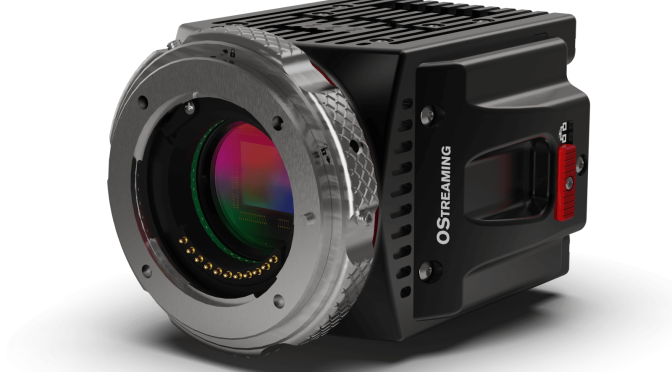
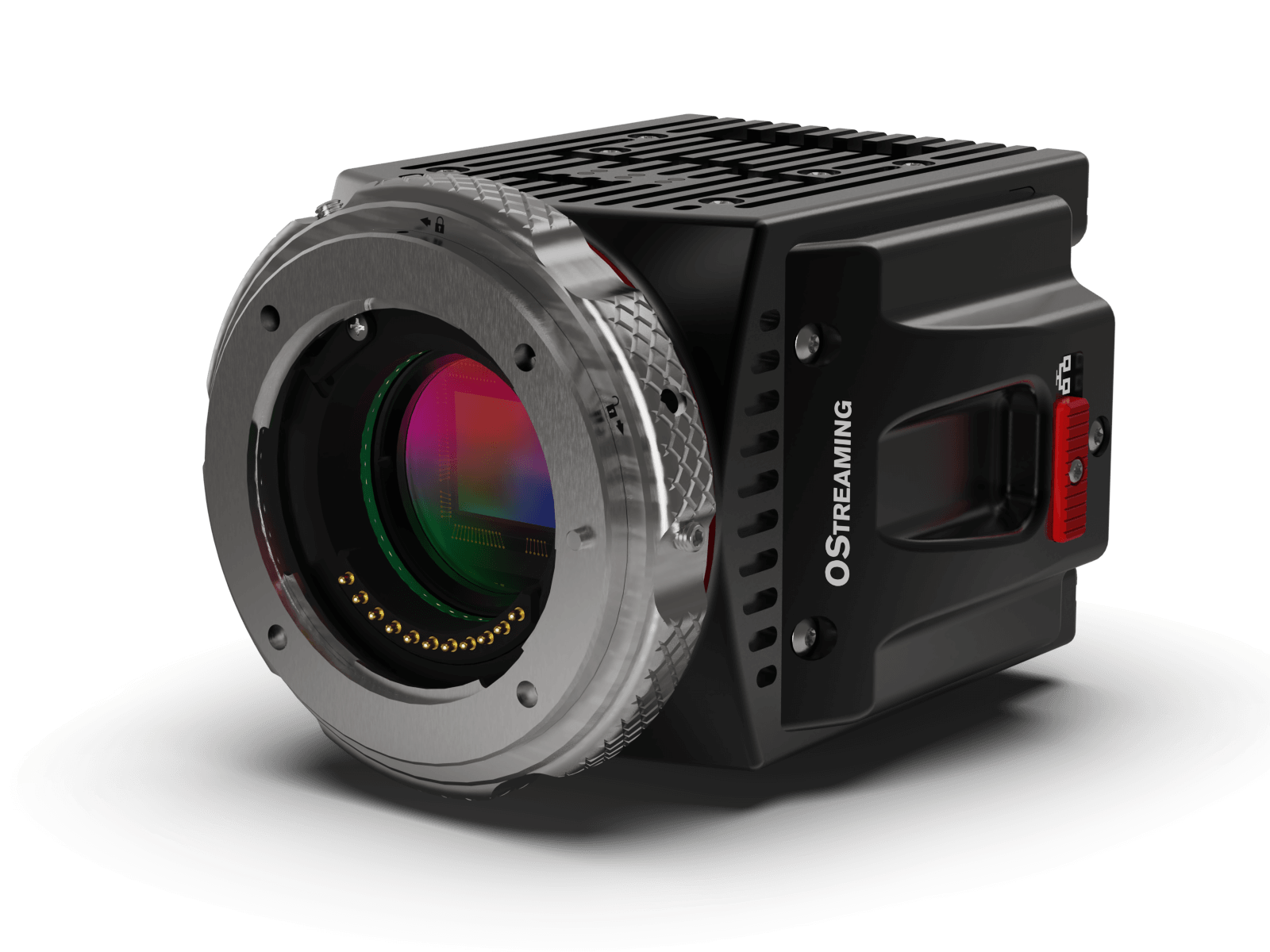
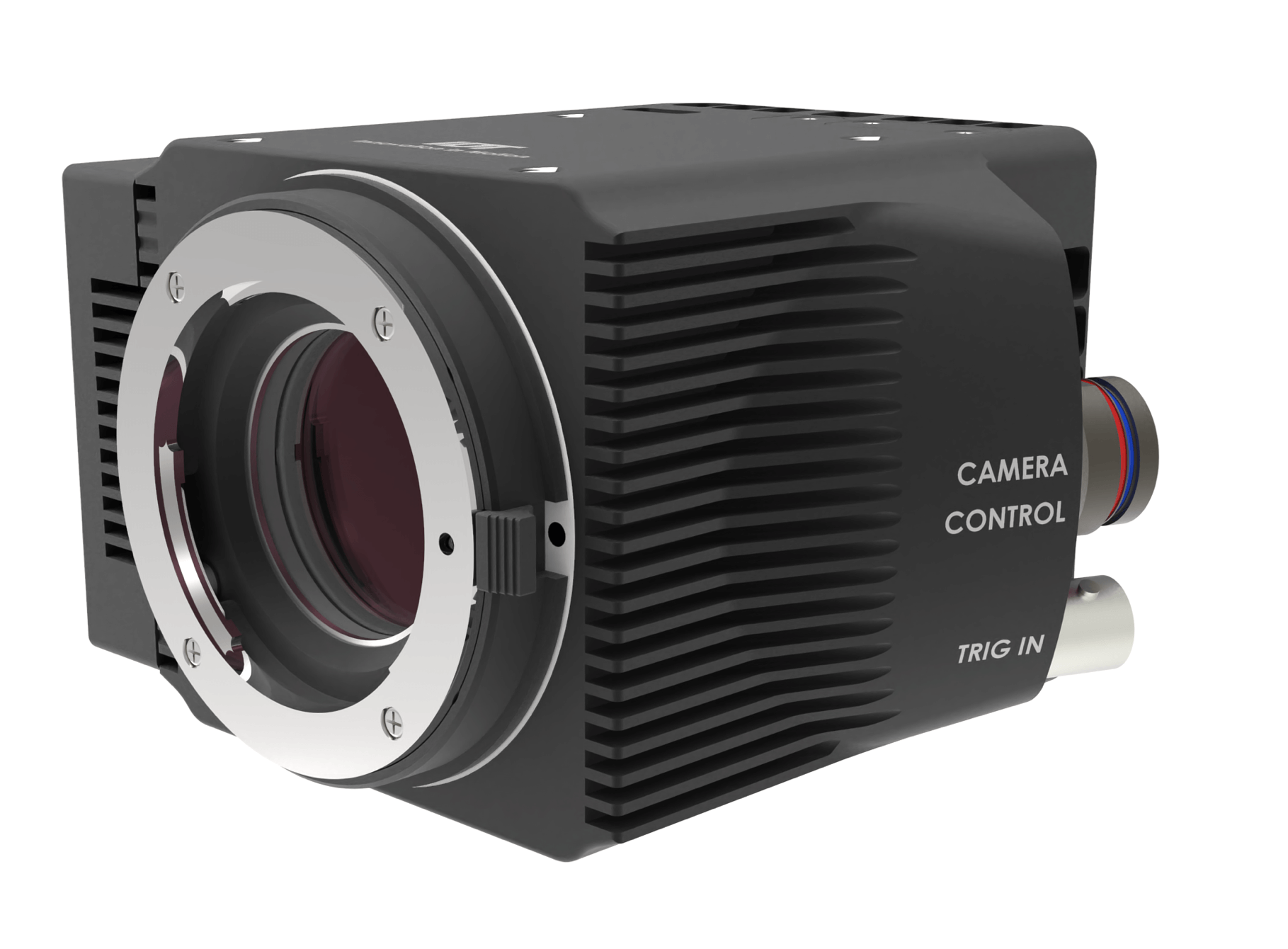
In order to establish a first rate production house, Third Eye FX needed first rate equipment.  For motion control, they chose the already established and versatile Milo system, but finding a high speed camera was not so simple a task.  Working within the 35mm format, Dory was unimpressed with the “crispness” he saw in most high framerate digital cameras; he wanted something that could more closely approximate the look of film.  Embarking on an international search, he visited labs in Europe and the US, stopping in Germany, Amsterdam, London and New York.  At each site he tested the cameras and committed his concerns, but it wasn’t until he saw the IDT/Redlake design that his search approached completion; though possessing the power and adaptability  wanted in the high speed system, it avoided the overly “digital image” he didn’t want, delivering, instead, an image closer to 35mm film.

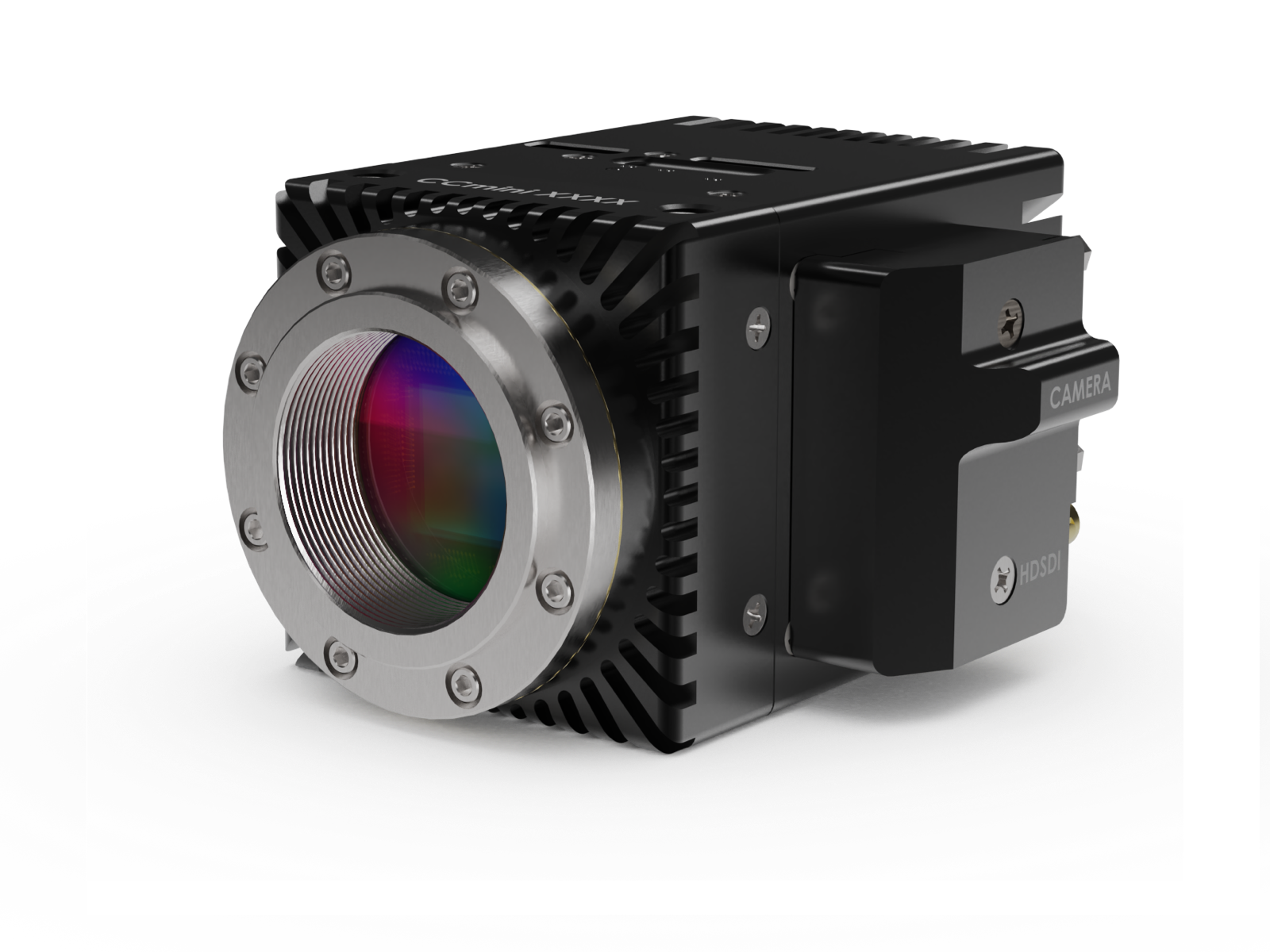
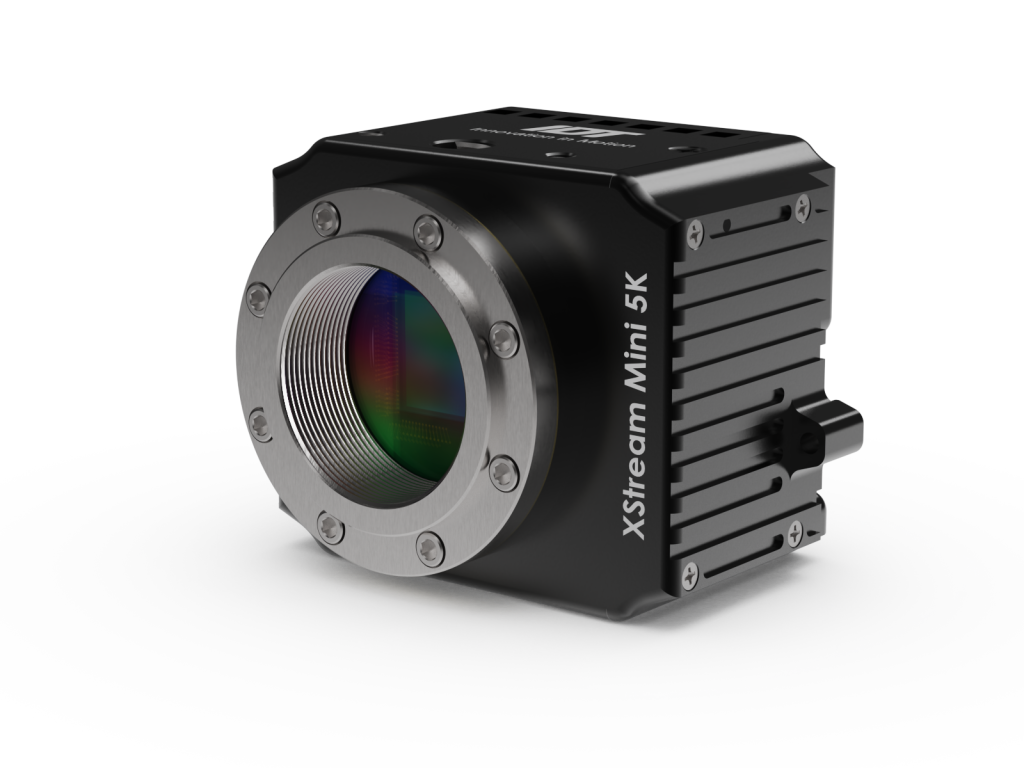
But the work wasn’t done in the discovery.  Despite insides capable of producing visuals Dory felt he could marry to film, the camera’s utilitarian exterior, designed primarily for research in automotive testing and laboratories, left him wanting.  Encased in a reflective body and lacking the PL mount essential for attaching the 35mm cinema lenses necessary to complete the look he wanted, the camera required a redesign.  Fortunately, the distributors were eager to work with him to make the appropriate changes, “they were so helpful and ready to cooperate with me whatever I asked.”  Once the adjustments had been made to his specifications, Dory returned to Lebanon, and Third Eye FX became the high end production house he had imagined five years earlier.

The Collaboration

When Platform Studios suggested to the producers of The Hurt Locker that Third Eye FX was capable of producing the high quality slow motion footage they wanted without the need to bring their own cameras, they were interested.  Upon meeting with the group, and seeing past footage, the producers learned just how capable the team was, and any previous plans to use another camera for the shots were discarded.  Preparations were made.  In a meeting with the film’s cinematographer Barry Ackroyd, Dory was given a list of supplemental shots desired from his camera.  Once the initial scenes were shown to Ackroyd and director Kathryn Bigelow, the results were just what was wanted, increasing the excitement in preparation for the camera’s big test, the explosion scene.

By far, the most prominent use of slow motion occurs within the first 10 minutes of the movie.  In a fairly atypical (by Hollywood standards) blast, dust and debris are dispersed in an achromatic, ashy column, occluding all but a hint of the orange conflagration within, sending the unfortunate staff sergeant to the ground.  To provide a spatial sense of the broad influence such detonations affect, Ackroyd and Bigelow placed six super 16mm cameras at various points around the blast site.  To create a palpable sense of the disaster effected by them, the the high speed camera, operated by Dory Aoun and his assistant Elie Karam, acted more than merely to provide an alternate point of view; it acted to approximate an alternate perception.

“ . . . it showed exactly what you feel if you are in the middle of the explosion.  This is where the high speed scenes made [a] positive [impact], I think, because the explosion happens in less, maybe, less than one second, a fraction of a second the explosion happens; but when you shoot it at 1000 frames per second you feel the very fraction of it.  You feel the intensity of it and it’s amazing that it shows you things that your eyes cannot see.”

To magnify the intended tactility of the sequence, Dory was asked to place his camera on top of a smaller blast to capture the rippling ground, the quaking autos: the pulse that silently and invisibly travels the air in the wake of such an incident, often proving as fatal as the debris.  Initially he was reluctant to risk his camera, but when director Bigelow asked him to do it for the sake of the images it would yield, he agreed: “I said, ‘okay fine guys, put the camera on the explosion, no problem’ . . . it was a very nice shot.”

The Future

With the film’s international acclaim, Third Eye FX has achieved exposure it never before thought possible: “[The] Hurt Locker was like a spotlight on us, so we were working a little bit in the shadow, but now this movie came . . .  [and] opened the door for us.”

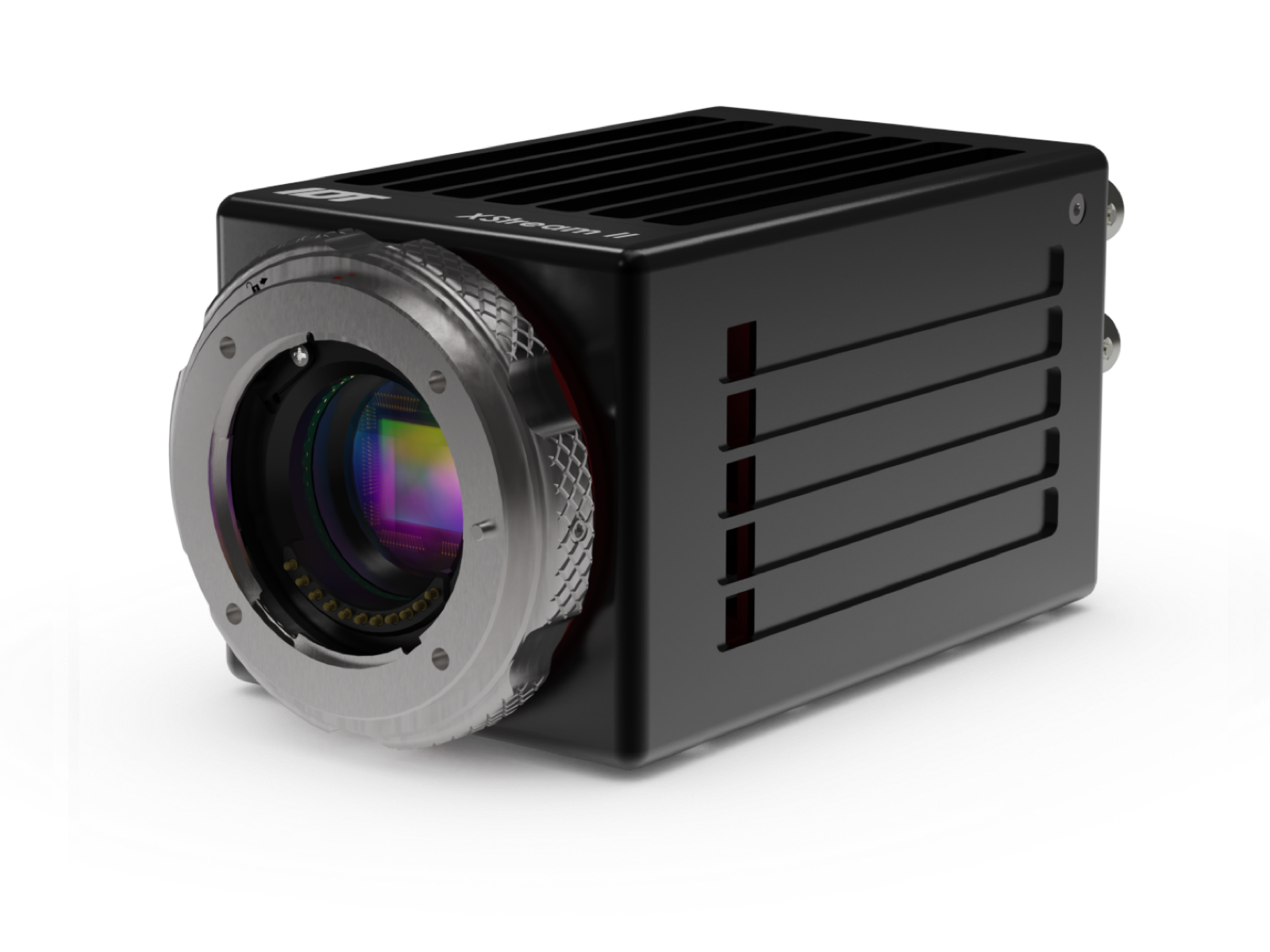
Third Eye FX has continued to be an innovator in its region.  With the release of the RED camera, they moved away from 35mm to offer a completely digital package.  They also maintain a genial relationship with IDT, having upgraded to a newer model camera, contributing useful input for improving future cameras to better suit the film maker’s needs.  Dory has also been working to introduce 3-D to his home market, and IDT is working to help him realize another dream.

(IDT wishes to thank Dory Aoun for his cooperation in the interview from which the quotes above were obtained, and in his efforts which help to accelerate the progress of the cameras we design.)

By Adam Smith